
The Beatles’ studio albums tell the clearest story of how quickly the group changed between 1963 and 1970. This guide focuses on the core Beatles albums, starting with the 12 original UK studio LPs and explaining why Magical Mystery Tour is usually included alongside them today.
For a song-by-song view of the catalogue, you can also explore our complete list of Beatles Songs. That page works track by track, while this one stays focused on the main Beatles album story.
How Many Studio Albums Did The Beatles Release?
The Beatles released 12 original UK studio albums between 1963 and 1970. Those records form the core of the group’s catalogue and remain the clearest way to follow their development from beat-group debut to studio-era ambition.
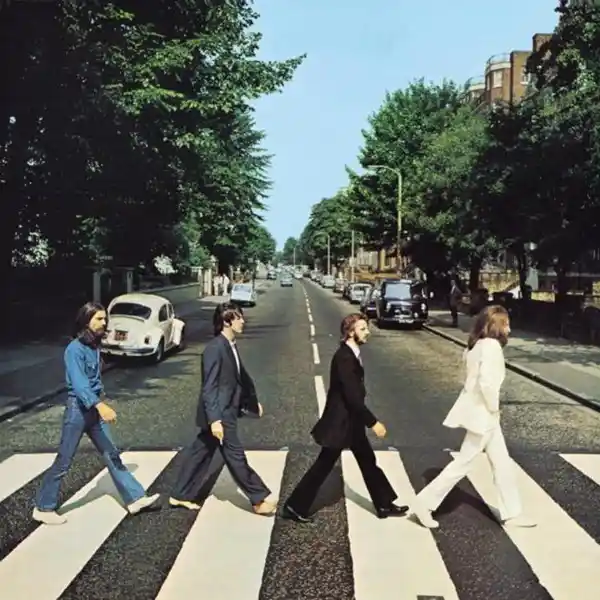
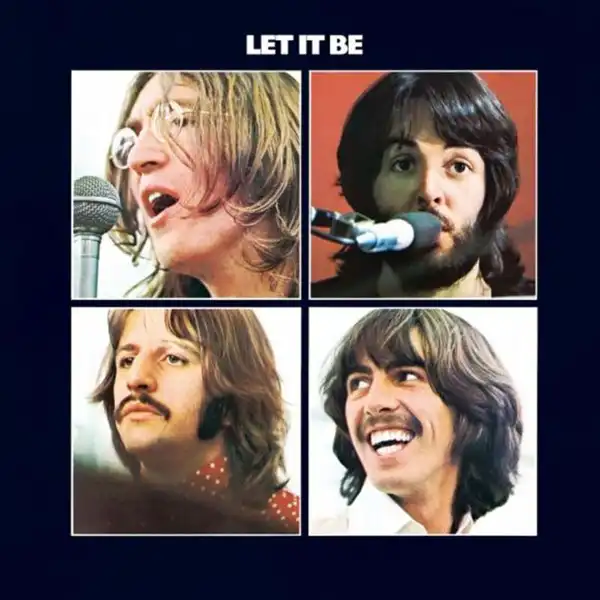
Note: although Let It Be was the final studio album to be released, most of it was recorded before Abbey Road.
Why Do Some Lists Say 12 Albums And Others Say 13?
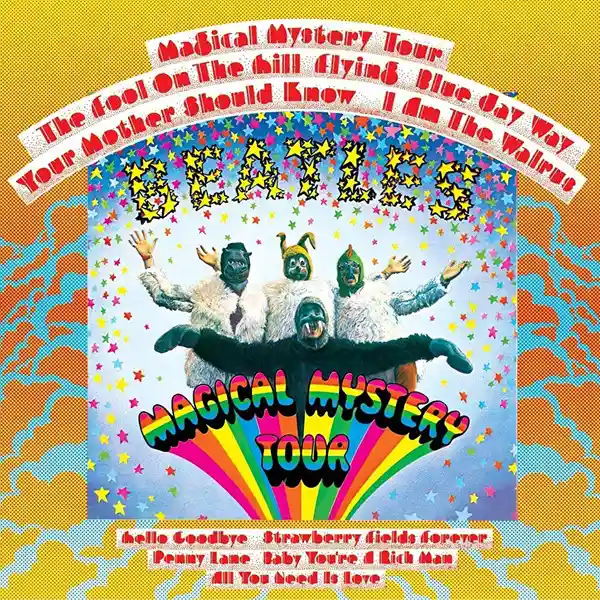
The confusion usually comes from Magical Mystery Tour. In Britain it first appeared in 1967 as a double EP, while in America it was expanded into an LP. Later, that LP version became part of the standard worldwide catalogue, which is why many modern lists count it alongside the 12 original UK studio albums.
The key turning point came in 1987, when the Beatles catalogue first appeared on Compact Disc and Magical Mystery Tour joined the core list of titles; the US LP configuration had already been adopted in the UK in 1976.
The Core Beatles Albums
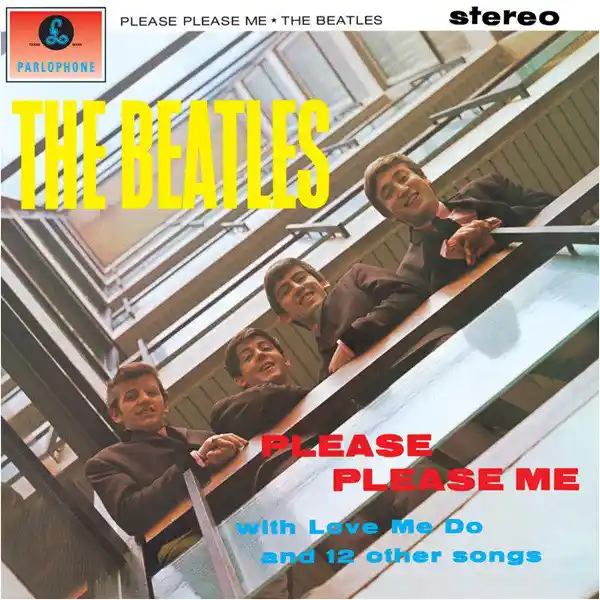
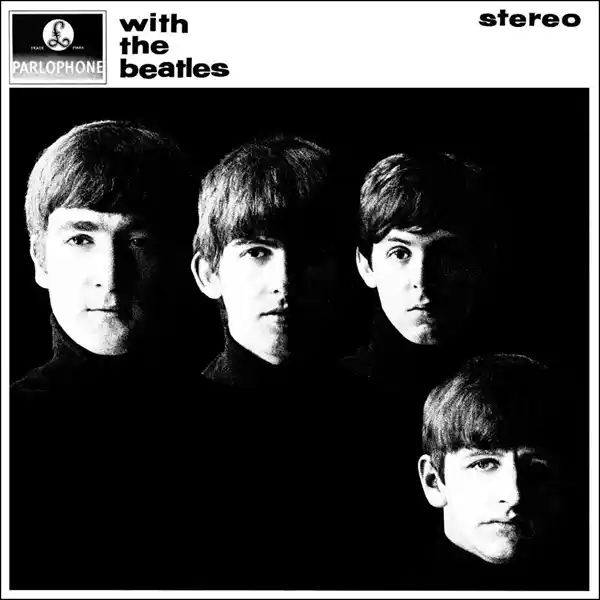
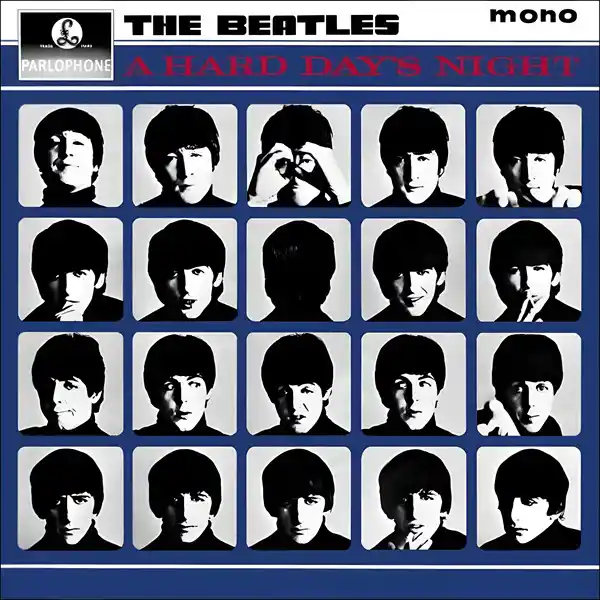
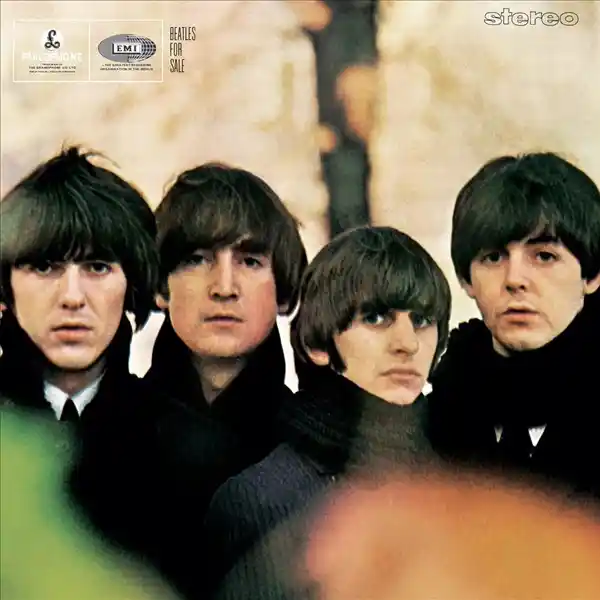
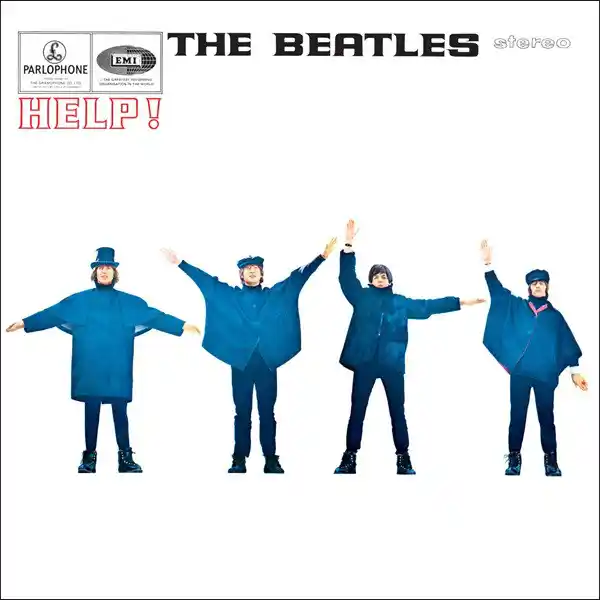
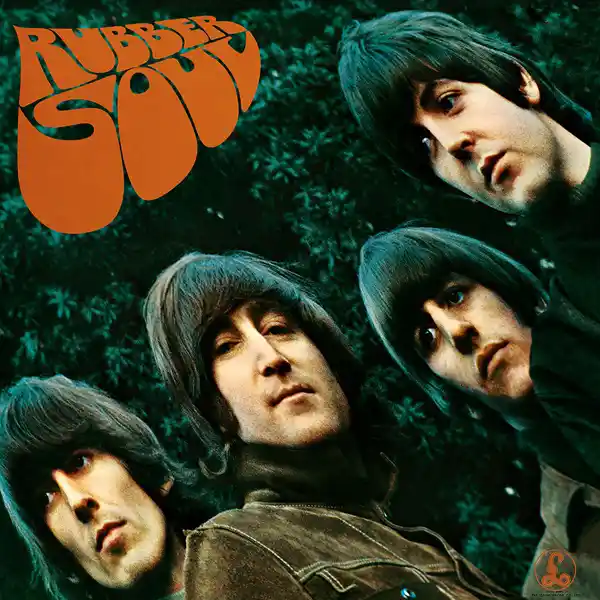
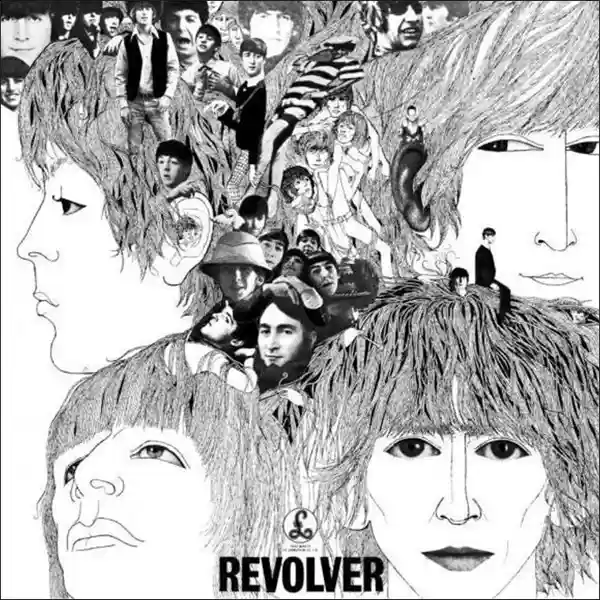
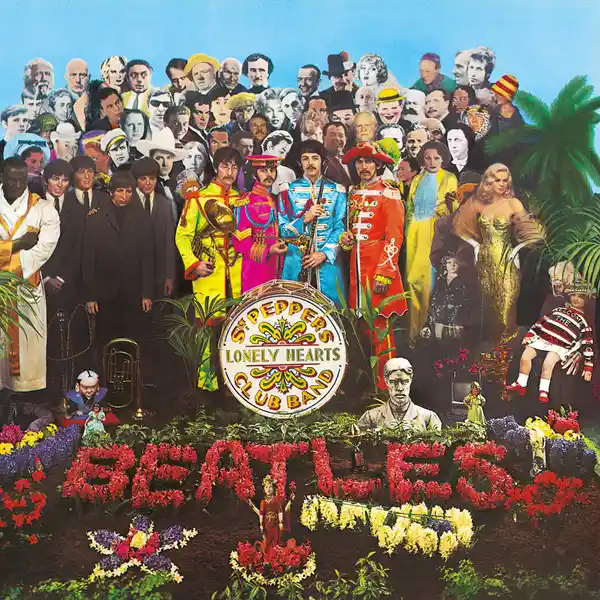
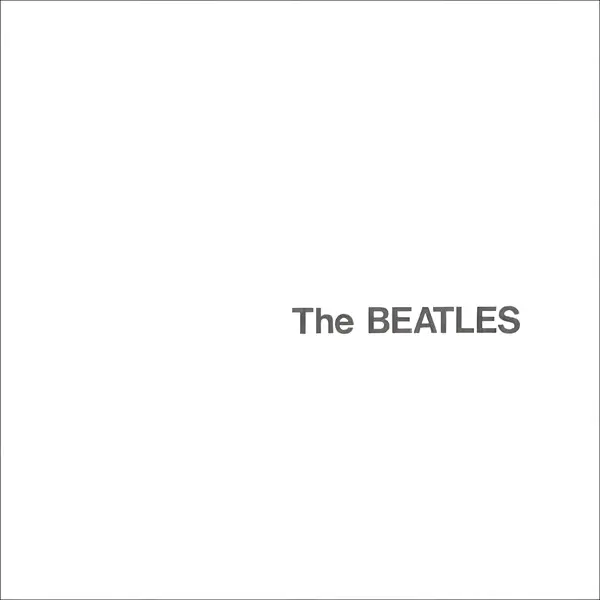
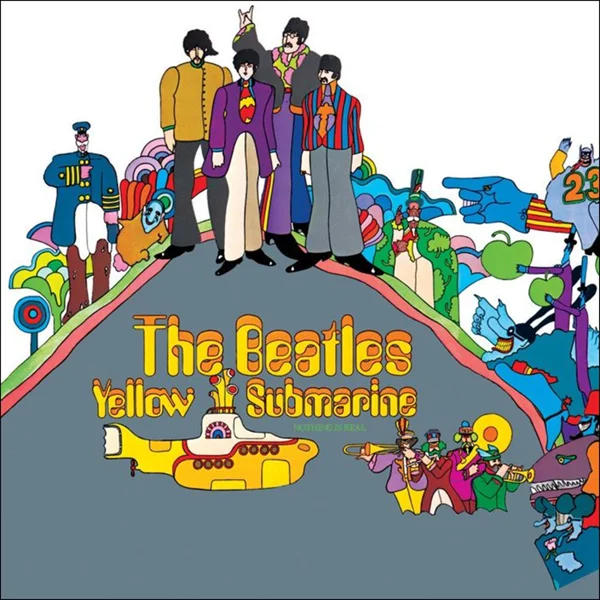
The gallery below keeps to the core catalogue only. It includes the 12 original UK studio albums plus Magical Mystery Tour, which was not a UK LP in 1967 but is now treated as part of the standard Beatles album run.
That matters because not every Beatles album page online uses the same definition. Some lists stick strictly to the 12 original UK LPs, while others follow the later standardised catalogue. This guide makes that distinction clear instead of blurring the two.
One complication even inside the 12-album count is Yellow Submarine: it remains one of the 12 original UK studio LPs, but side two contains George Martin’s newly recorded orchestral score rather than Beatles performances.
Why These Albums Still Matter
The Beatles did not stand still for long. In just a few years they moved from the direct energy of Please Please Me and With The Beatles to the songwriting leap of A Hard Day’s Night, the richer textures of Rubber Soul and Revolver, the studio world-building of Sgt. Pepper’s Lonely Hearts Club Band, and the late-period stretch that ended with Abbey Road and Let It Be.
That is why a Beatles studio albums page still matters. It does more than show covers in date order. It gives newer listeners a clear route through the group’s main body of work and helps long-time fans place each album in the wider story of the band.
For a broader view beyond the core catalogue, see our guide to Beatles Album Releases In The UK. That page covers compilations, live albums, archive titles, box sets and major anniversary editions.
If you spot an error or a missing detail, please get in touch. Discussion about Beatles albums now belongs on our Beatles Fan Club Forum rather than in blog comments.
Sources And References
- The Beatles – Official album catalogue.
- The Beatles – Core catalogue note.
- The Beatles – UK EP and LP context.
Fair Dealing Notice: Album cover images are displayed for educational and reference purposes under UK fair-dealing law and are used for identification only. All artwork remains the copyright of Apple Corps Ltd., Universal Music Group, or their respective rights-holders. No commercial reproduction is intended or implied.