

Beatles films tell a bigger story than the band’s own five core screen works. The full screen history also includes television specials, concert films, documentaries, parody, dramatised productions, and animation.
This page brings that Beatles screen archive together in one clear hub. Use the sections below to move from the Beatles’ own films to later documentaries, related dramas, and television projects covered on BeatlesFan.Club.
How Many Beatles Films Are There?
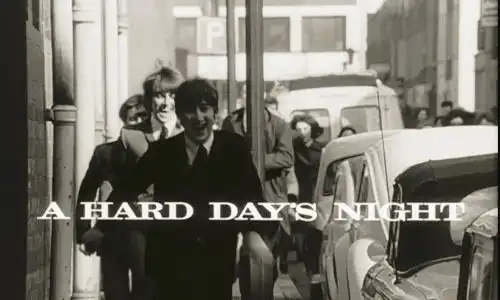
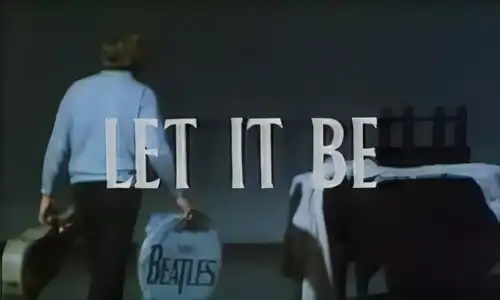
The short answer is five core official Beatles films: A Hard Day’s Night (1964), Help! (1965), Magical Mystery Tour (1967), Yellow Submarine (1968), and Let It Be (1970). That list needs one qualification: Yellow Submarine belongs in the official Beatles screen canon, but it is not a conventional acted Beatles starring vehicle in the same way as A Hard Day’s Night, Help!, Magical Mystery Tour, and Let It Be.
Beyond those five, the Beatles’ screen history becomes much wider. Once you include television specials, documentary features, concert films, authorised retrospectives, parody, dramatised productions, and the cartoon series, the story of the Beatles on screen stretches far beyond the band’s own performances.
The Beatles Films
These are the foundation of any Beatles films list. A Hard Day’s Night captured the group’s early wit and speed; Help! expanded the formula in colour; Magical Mystery Tour turned inward and psychedelic; Yellow Submarine translated Beatles music into pop art animation; and Let It Be preserved the tense final stage of the band as a working unit. Together, they show how quickly the Beatles changed on screen as well as on record.


Beatles Tribute Films And Parodies
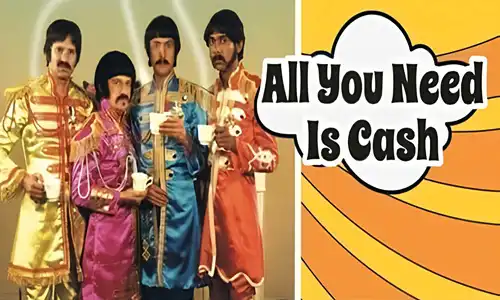
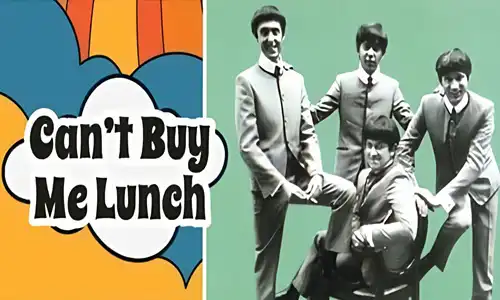
These productions are not official Beatles works, but they matter because they show how completely the Beatles had entered popular culture. The Rutles did not merely spoof the band. They parodied the mythology, fan culture, media language, and familiar rise-and-fall structure of the Beatles story.
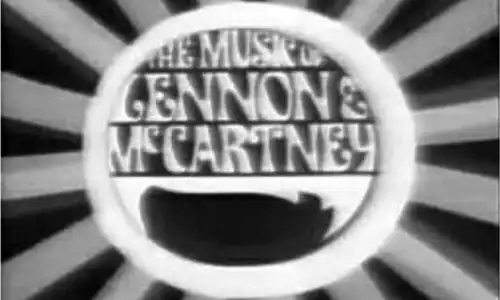
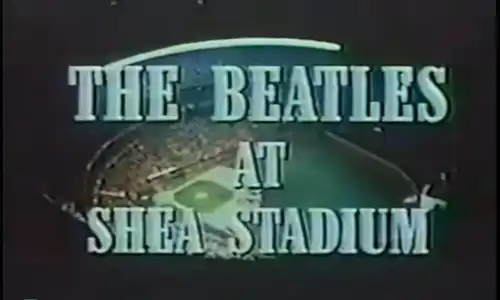
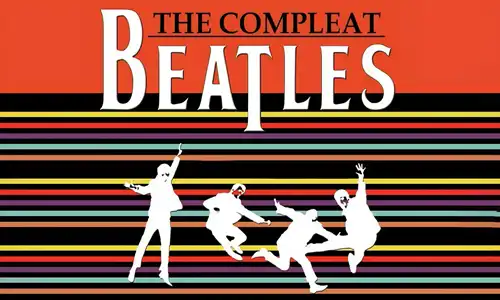
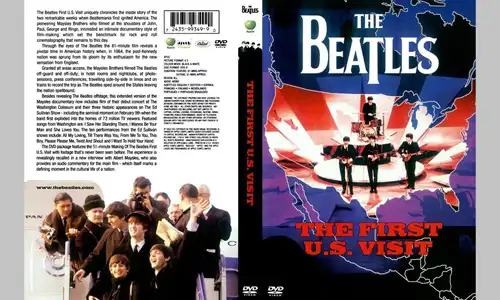
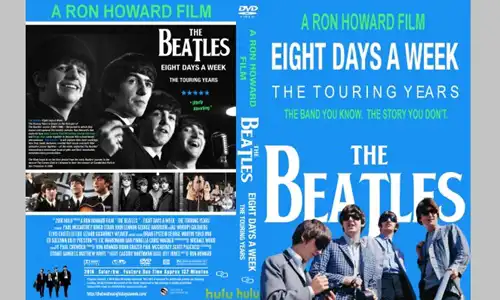
Beatles Documentaries And Television Specials
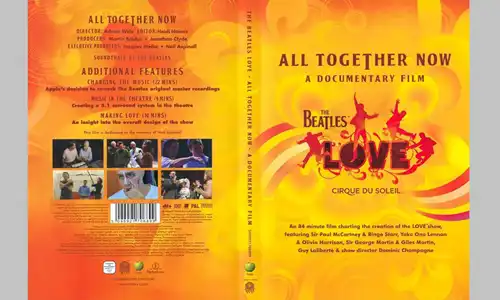
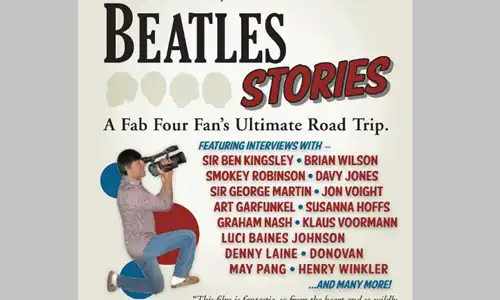
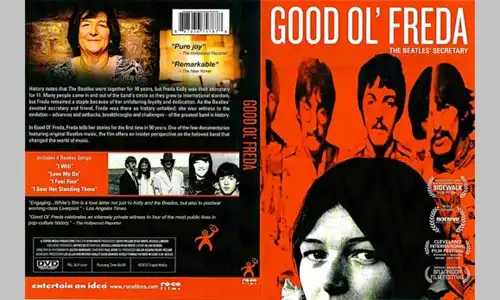
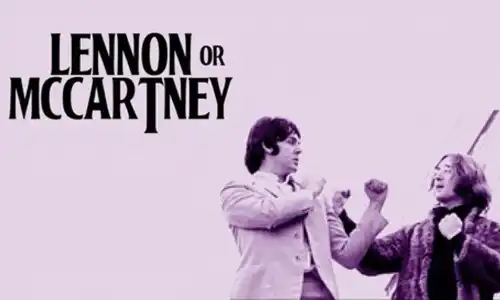
This section covers the strongest non-fiction screen record of the Beatles story, from contemporaneous television and concert material to later archive documentaries and reassessments.
It also shows why the Beatles remain such a strong screen subject. Some documentaries focus tightly on one event or era, while others try to summarise the whole story. Taken together, they reveal how Beatles history keeps being edited, restored, and reframed for new audiences.
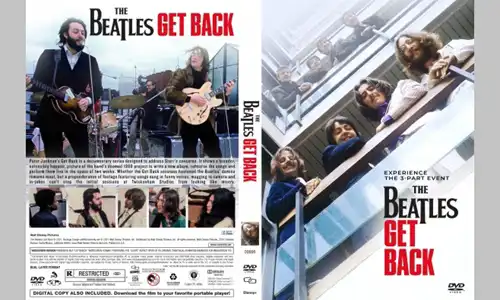
The official documentary story also changed over time. The Beatles Anthology presented the band’s history as a retrospective account shaped by the surviving Beatles and their circle, while The Beatles: Get Back later reopened the same world through long-form restored footage and sync sound, letting viewers watch the creative process unfold with far less hindsight narration.





Beatles-Related Dramas And Biopics
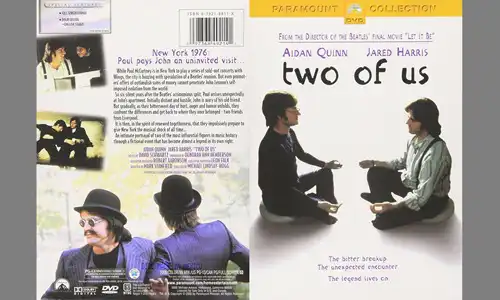
These are Beatles-related dramas rather than Beatles films in the strict sense. They use actors, reconstructed scenes, and imagined dialogue to revisit parts of the story. That makes them less valuable as primary documents, but still useful as evidence of how the Beatles’ lives and relationships have been reinterpreted on screen.


The Beatles Cartoon TV Series
The Beatles cartoon series deserves a place of its own. The band did not voice the characters, but the programme turned the Beatles into one of the earliest weekly animated versions of living pop stars and helped carry their image to a younger television audience. It remains an important side branch of Beatles screen history rather than a mere novelty.

Beatles Films: In Summary
Use this page as a starting point for exploring the Beatles on screen. Each image leads to a fuller page with background, credits, and commentary. For discussion, head to the Beatles Forum. For factual corrections, please use the contact page.
BeatlesFan.Club operates independently and does not affiliate with The Beatles, Apple Corps, or any official rights holders.
Fair Dealing Notice: Film images, publicity stills, and cover art are shown only for identification, criticism, review, and educational reference under UK fair-dealing principles. Copyright remains with the relevant studios, distributors, and rights-holders.